Faster Recovery with Endoscopic Spine Surgery
Nov 02, 2026
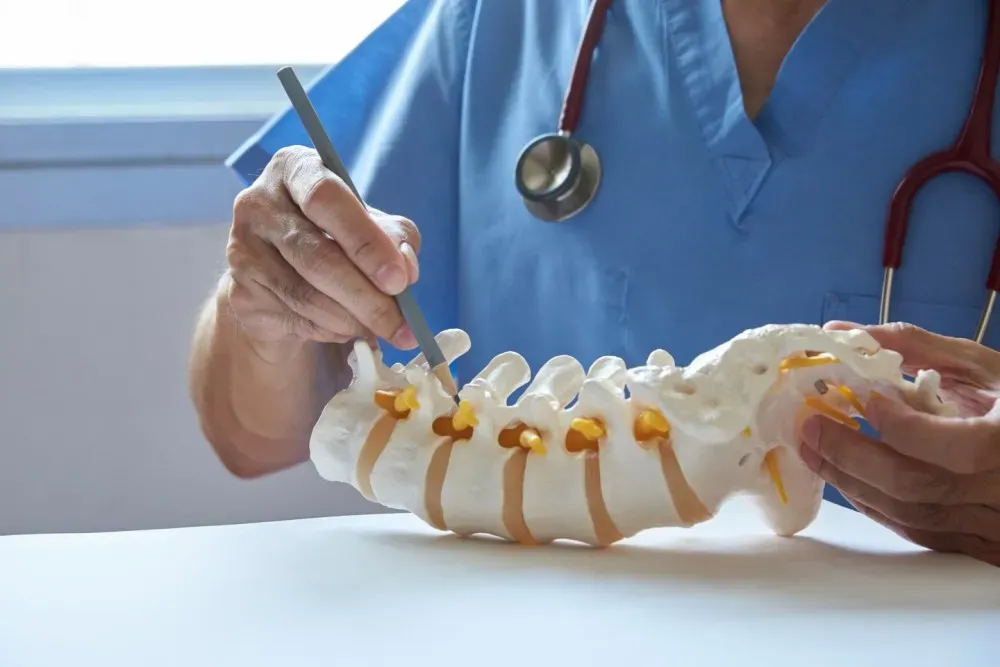
Once you’ve made the decision to have spine surgery, your thoughts are likely going to turn to the recovery process and what to expect.
There are many reasons why so many practitioners prefer minimally invasive spine surgery as opposed to open surgery. Easier recovery is definitely on that list.
Dr. Mohammad S. Shukairy is a renowned expert in minimally invasive spine surgery. Through his care, numerous residents of Northwest Indiana and the greater Chicago metro area have moved beyond debilitating back pain.
Let’s look at how the surgical approach shapes your recovery process, and why minimally invasive options are so popular.
No matter how skilled your surgeon might be or how complex your procedure, your body needs time to recover after any form of surgery. Whenever anything alters your tissues, your immune system kicks into high gear to address that perceived damage.
In the early phase of healing, white blood cells flood to the site to begin removing dead cells and bacteria. Next, the process of tissue regeneration begins, repairing damaged areas and creating new connections between altered tissues.
As the process moves ahead, your immune system triggers both inflammatory and anti-inflammatory signals to try and maintain the right balance. It can take weeks or even months for the immune system to return to normal function.
The human body has an astounding ability to repair itself. But everyone has a somewhat unique experience of recovering after any form of surgery, including spine surgery. Here are some ways that minimally invasive surgery can ease your recovery process.
Perhaps the simplest benefit of minimally invasive surgery is a reduced volume of tissue alteration.
With traditional, open surgical techniques, a large incision is made to gain access to the tissues beneath. Depending on the surgical site and the type of changes that need to be made, that incision could be held open with a surgical device, enabling easy access.
Minimally invasive surgical techniques require only several small incisions. Surgeons insert a camera and light through one opening and surgical tools through others. These smaller incisions mean less tissue has to heal after your procedure.
With open surgery, not only does the area of focus have to heal, but a significant amount of skin, muscle, and nerve tissue also has to repair itself due to the larger incision.
Recovering after surgery requires a careful balance of giving your body time to rest and staying active enough to promote the healing process. Rest is an essential part of healing. Your body is working hard to heal damaged tissues and seal your incision lines.
But good circulation is also essential as you heal, so you can’t spend too much time sitting or lying down. You need to move around enough to help with circulation. The repair work that follows surgery needs lots of oxygenated blood to nourish and support your tissues.
Moving your body as advised by Dr. Shukairy also helps keep your muscles, nerves, and joints in good shape. But be sure to follow guidance as to what type of exercises to do and where the limits are so you don’t overexert yourself and put strain on your surgical site.
Minimally invasive spine surgery repairs damaged or abnormal tissue but leaves the surrounding healthy tissue largely unaltered. This helps you get moving again after your procedure and also minimizes pain.
If you’re thinking of moving forward with spine surgery, you have options when it comes to the techniques used for your procedure. But be aware that not all surgeons have the skills and experience necessary to perform the latest minimally invasive surgical techniques.
When you rely on Dr. Shukairy for your surgical needs, you’re partnering with a professional at the top of his field. There’s a reason so many residents of the greater Chicago region, as well as Highland, Crown Point, Hobart, and Merrillville, Indiana, turn to us for care.
Book an appointment online or by phone today to meet the team and learn more about how minimally invasive spine surgery can enhance your recovery process as well as your life.